
CMMS vs APM: Do You Really Need Both?
/
read

When it comes to asset reliability and maintenance, one of the most common questions we hear is: Do I really need an APM if I already have a Computerized Maintenance Management System (CMMS)?
The short answer? Yes.
A CMMS is mostly a work execution system, it helps you schedule, assign, and close work orders. But a CMMS system doesn’t give you the full picture of how your assets are performing or why they’re failing.
To understand the value of an APM (Asset Performance Management) system, let’s walk through three simple questions that reveal a lot about how your current tools might be holding you back.
Is Your CMMS Enough? What Happens to All Your Data?
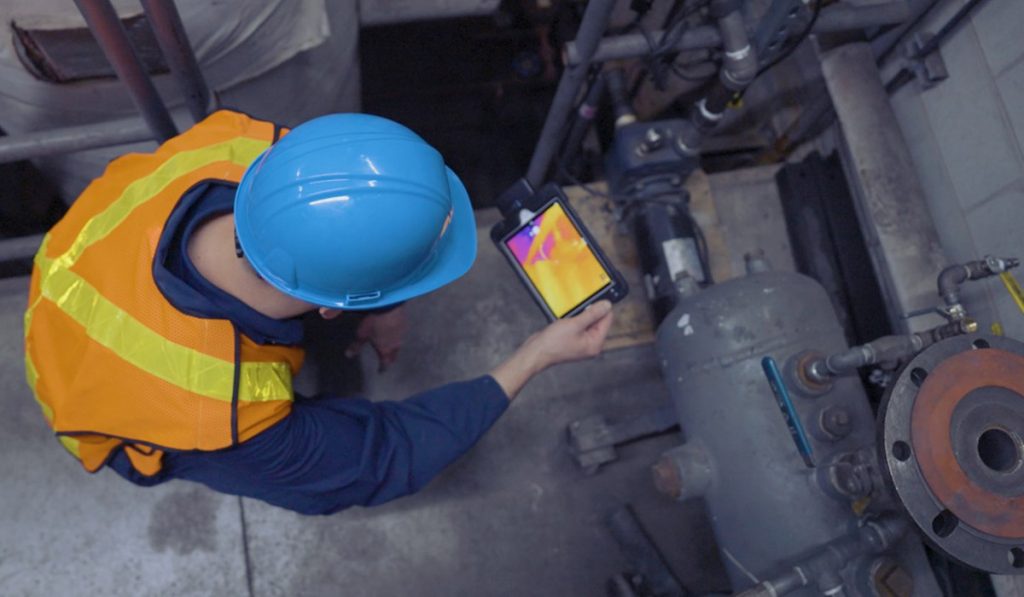
Most organizations already have a CMMS in place. But ask yourself: Where do the rest of your data go? Vibration analysis, oil samples, infrared thermography, acoustic inspections, these technologies generate valuable data, but often end up siloed, forgotten, or trapped in PDF reports.
Typically, action only happens when a problem is found, like a high vibration alarm. A technician opens a work order in the CMMS. But what happens next? Is that failure mode tracked? Are patterns emerging across sites or equipment types? Probably not.
And when it’s time to report KPIs (MTBF, Bad actors, Asset health) it often requires a frustrating, manual process. Data is pulled from multiple systems, pasted into Excel, and re-analyzed each month. It’s time-consuming, error-prone, and reactive.
An APM solution changes this. It consolidates data from various sources, giving you a clear, real-time view of what’s happening across your asset fleet.
How Much Time Do You Spend Cross-Referencing Reports?
Let’s say you suspect a bearing issue on a critical motor. You want to check the last vibration reading, the temperature trend, and oil quality analysis.
If that means opening three different PDF reports from three different systems, and each takes a few minutes, you’re already losing precious time. Worse, by the time you’ve found what you’re looking for, you might already be behind on the root cause or on planning corrective action.
With an APM, all this information lives in one place. You can cross-reference readings, filter by asset or failure mode, and spot trends instantly. You’re not just reacting to alarms; you’re connecting the dots between technologies to prevent the failure altogether.
How Do You Document Findings, Standardized Reliability Practices and Reuse What You Know?
Many organizations still rely heavily on paper-based inspections or technician memory. But what happens to that knowledge? Often, it dies on the workbench, never reused, never standardized.
Ask yourself:
- Are your reports based on failure modes?
- Do you have an asset health score that updates with new findings?
- Do different technicians get the same results from the same situation?
If not, you’re missing opportunities to improve repeatability and reliability. With an APM, you can standardize inspections, create digital SOPs, and ensure that every technician has the same reference points. You can track failure modes across time, assets, and sites, building a knowledge base that scales with your team.
And with digital data entry, you’re no longer losing time on paperwork or transcription. The moment data is captured, it’s available to the entire organization and ready for analysis, trending, or action.
Conclusion: If you have a CMMS, you Should have an APM
If these questions hit close to home, you’re not alone. Many reliability teams are stuck in a loop of reactive maintenance and scattered data. APM isn’t just another system, it’s a way to bring structure, visibility, and consistency to your asset performance strategy.
By investing in an APM, you move from firefighting to foresight. From paperwork to performance. From siloed insights to shared knowledge.
Curious about how APM software can boost your asset reliability and efficiency? Explore our dedicated APM page.
Frequently Asked Questions (FAQ)
What types of data does an APM system typically use?
An APM system can ingest and analyze data from a wide range of sources, including vibration sensors, temperature readings, oil analysis, thermography, SCADA systems, historian databases, and even operator rounds. The more connected your assets and maintenance strategies are, the more effective your APM becomes.
Is APM only for large industrial organizations?
Not at all. While APM has traditionally been used in asset-heavy industries like energy, mining, or manufacturing, more mid-sized operations are adopting it to reduce unplanned downtime, extend asset life, and improve resource planning. Scalable solutions now make APM accessible to smaller operations.
How long does it take to implement an APM system?
Implementation time can vary widely depending on the scope, number of assets, integration needs and types of services. At Spartakus Technologies, the implementation of the APM takes around 10 weeks to complete.

Raphael Tremblay,
Spartakus Technologies
[email protected]