

How better precision machine alignment increases reliability!
/
read
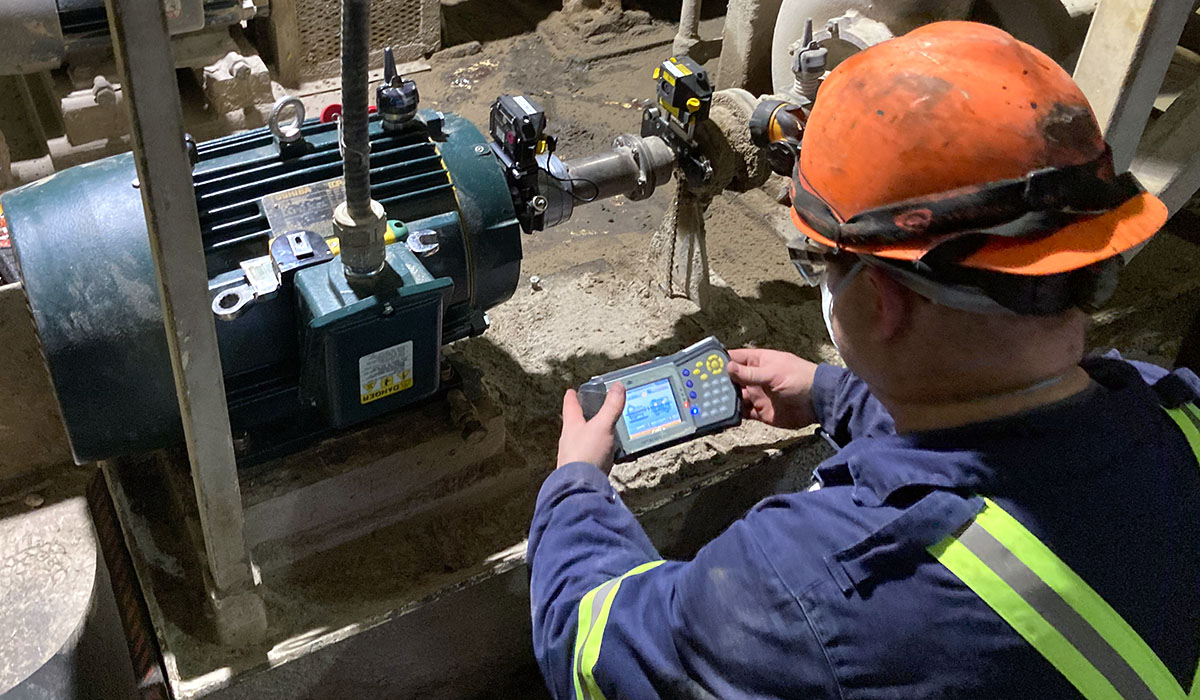
In industrial operations, even the smallest misalignment in rotating machinery can lead to excessive wear, unexpected downtime, and costly repairs. While it may seem like a minor detail, achieving precise machine alignment is a cornerstone of reliability and long-term equipment performance. From pumps and compressors to engines and conveyors, the way machinery is installed and aligned directly impacts its efficiency, lifespan, and operational safety.
In this article, we explore the critical steps in achieving better precision alignment, the role of skilled technicians, and how advanced technologies like laser trackers are revolutionizing the way industries maintain optimal machine performance.
By understanding and implementing precise alignment practices, companies can minimize maintenance costs, reduce unplanned downtime, and significantly improve the reliability of their operations.
The Critical Steps in Machine Alignment
First, you need to follow the pre-alignment procedures:
- Relieving pipe and conduit strain, ensure a clean, flat, and level base.
- Align the equipment by performing a rough alignment; if done correctly, this can get the Millwright/Technician within 0.010” (0.254mm).
- Eliminating soft foot; short leg, angular, sprung/irregular soft foot, and squishy foot (too many shims under a foot).
- Then performing a precision alignment using dial indicators or a laser alignment system, utilizing advanced technologies to achieve optimal results.
Inspection during and after alignment is important to ensure accuracy, detect issues such as unusual noise, and maintain machine reliability.
Precision alignment also serves as an essential diagnostics step, helping to identify potential issues before they escalate. During diagnostics, technicians measure alignment parameters, document the results in a final report, and work to identify the root cause of any misalignment issues.
It is imperative that the technicians performing this work are trained and practiced in these methods so when the time comes, they are confident performing the work. Ongoing training for the team is crucial to ensure alignment procedures are performed correctly and consistently. The team plays a key role in supporting alignment and reliability efforts, helping to prevent mistakes and maintain optimal machine performance. Various factors, such as operating conditions and maintenance practices, influence the success of alignment and the long-term service life of machinery. Otherwise, frustrations and mistakes can take place.
Unlocking precision: the crucial role of technicians
Nowadays with the advancements in laser alignment units, we can achieve a high degree of precision, easily within 0.001” (0.0254mm). However, having purchased a laser alignment unit isn’t enough to say, “we have precisely aligned machines.” The ability of skilled technicians to achieve such high-precision alignment is essential for reliable results.
We need to have trained and competent technicians performing these alignments. By eliminating installation errors, using correct fasteners and torque values/patterns, and following alignment procedures and principles, we will achieve these results. Technicians also create customized alignment strategies tailored to each machine’s operational requirements.

Why seek such a high degree of precision?
It’s important to understand why we seek these results. Maybe you’ve heard someone say that “the coupling can take 0.040” (1.016mm) misalignment”, which raises the question of “why not just use these couplings and avoid the alignment?”.
To ensure optimal performance, it is essential to assess alignment accuracy and verify that machinery meets the required tolerances.
Well, the bearings that support the shaft in pumps, compressors, engines, and other rotating equipment will only tolerate a maximum of 0.002” (0.508mm) angular or offset misalignment at speeds < 1800 rpm.
These tolerances become even tighter with increasing speed. Speeds >3600rpm often require 0.0005” (0.0127mm). Achieving this level of precision provides significant benefits, including reduced wear, lower maintenance costs, improved equipment reliability, and increased longevity of machinery. Improper alignment can cause excessive wear or damage, leading to the need to replace critical components or even entire equipment, which negatively impacts equipment longevity.
When troubleshooting misalignment issues, diagnostics play a key role in identifying root causes and ensuring long-term machinery health.
A key factor: the question of hot and cold thermal growth
Then there is the issue of thermal growth both hot and cold.
For example, a hot condensate pump made of cast iron [coefficient 0.0000063” (0.00001134mm)] has a thermal differential temperature of 112°F (44.44°C); ambient temperature being 100°F (37.78°C) and its normal operating temperature of 212°F (98.88°C).
The height of the pump shaft centerline is 20” (508mm). Using the equation.

Knowing this, the Millwright or Technician completing the installation and alignment purposely misaligns the coupled shafts of the pump by -0.014” (-0.256mm) so that when the equipment comes up to operating temperature it is THEN in proper alignment. Proper alignment helps extend the life of equipment by reducing wear and preventing premature failure.
*The run-up time will have poor vibration, Ge and amperage draw measurements, but it is better to run poorly for the run uptime and then run within specification then to have perfect cold alignment and operate in a state of misalignment for the life of the equipment, which will be shortened due to not accounting for thermal growth. If misalignment is detected, repair is necessary to restore optimal performance and prevent further damage.
When planning for alignment, it is important to consider potential future operational changes, such as variations in temperature or load, to ensure long-term reliability.
Equipment that operates in a cold state like refrigerant compressors would need to be compensated positively to accommodate contraction of the material.
Another key factor: the imbalance and vibration analysis
Another concept to consider is imbalance. Even with perfect alignment, imbalance can be detected through monitoring of equipment condition. If the coupling keys are in the wrong orientation or are too short or too long, excessive vibrations will occur.
Ongoing efforts to monitor machinery are essential for early detection of imbalance and to prevent costly downtime. Scheduling regular maintenance helps address imbalance issues before they lead to equipment failure.

Measuring alignment with laser trackers: the new standard in precision
As technology continues to advance, laser trackers have emerged as the new standard in precision alignment, revolutionizing the way machine alignment services are performed across industries. These sophisticated tools offer unmatched accuracy and efficiency, allowing technicians to seamlessly integrate laser tracking with established alignment methods for a comprehensive assessment of a machine’s alignment status.
Laser trackers work by emitting a laser beam that precisely measures the position of key components in rotating machinery, such as shafts, couplings, and mechanical seals. This high level of precision ensures that even the smallest misalignments are detected and corrected, preventing the uneven wear and tear that can lead to catastrophic failures, higher energy consumption, and increased maintenance costs. By identifying and addressing misaligned machines early, companies can avoid unexpected breakdowns and extend the lifespan of their equipment.
The use of laser trackers in precision alignment ensures that machinery operates within optimal parameters, reducing wear on critical components and minimizing the risk of costly repairs or replacements. This technology is especially valuable in industries like aerospace, where the demands for accuracy, reliability, and operational efficiency are at their highest. By investing in advanced alignment services that utilize laser trackers, companies benefit from reduced maintenance costs, improved performance, and greater productivity.
Furthermore, laser trackers provide detailed measurement documentation, supporting maintenance teams in making informed decisions about repairs, upgrades, and ongoing alignment strategies. This level of insight not only enhances the quality of alignment services but also leads to better business outcomes, including less downtime and higher customer satisfaction.
As we move forward, the integration of laser tracker technology into precision alignment processes is becoming essential for companies seeking to maintain a competitive edge. In the following sections, we will explore the specific applications of laser trackers in precision alignment, sharing real-world case studies and success stories that demonstrate the transformative impact of this technology on reliability and operational excellence.
Conclusion
Understanding that through Vibration monitoring, Ultra-sonic monitoring, and amperage readings we can prove that a machine is running in an optimal state. Proper alignment and monitoring help keep your project within budget by reducing maintenance costs. You also gain operational efficiency and reliability, which minimizes costly downtime, excessive inventory stock levels, and unnecessary energy usage. A strong reliability program not only enhances your company’s reputation for excellence but also improves your positioning in the industry by ensuring reliable operations.
For more information or to discuss your alignment needs, contact us to schedule a consultation.

Cyril Daley
Reliability Trainer – Atlantic Controls
[email protected]