Operator Care is a practical and cultural framework designed to close one of the most persistent gaps in industrial environments—the disconnect between maintenance and operations. It recognizes that reliability is not the responsibility of a single department, but a shared commitment across all levels of the organization.
At its core, Operator Care transforms how people interact with their assets. Instead of viewing maintenance as a reactive activity or a separate function, it empowers operators to take daily ownership of equipment health through simple, consistent actions. When reinforced by strong leadership, clear communication, and supportive technology, this approach becomes a cornerstone of long-term reliability success.
Redefining Reliability Through Shared Responsibility
Traditional maintenance programs often focus on technical optimization—failure modes, spare parts, PM intervals—while overlooking the human and organizational dimensions. Operator Care reintroduces people into the reliability equation by giving operators a visible, meaningful role.
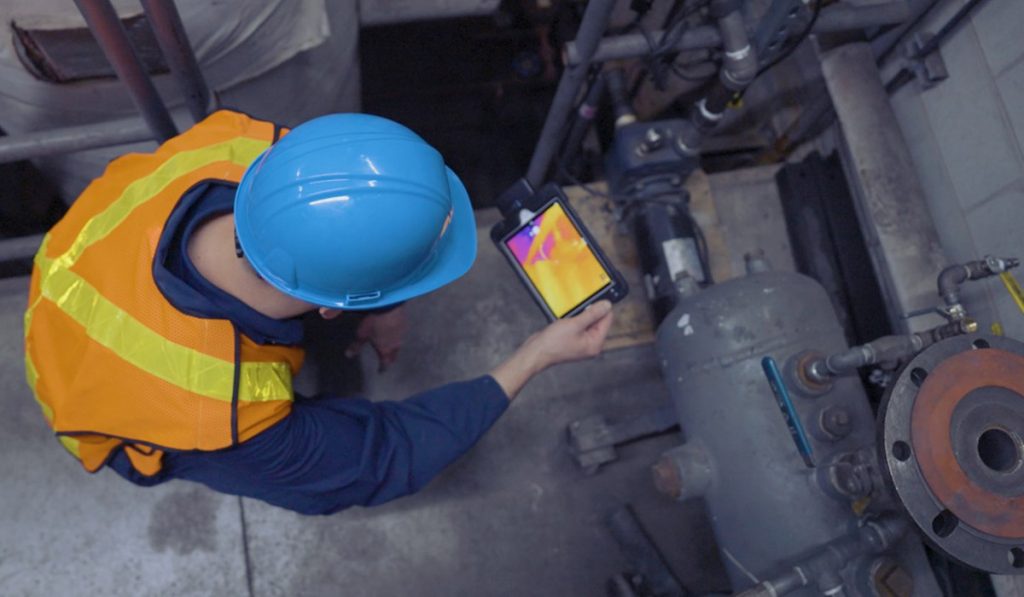
Rather than shifting maintenance tasks to operations, Operator Care emphasizes ownership, vigilance, and collaboration. Operators are trained to notice early warning signs—unusual vibration, heat, leaks, or noise—and to communicate these findings effectively to maintenance teams. This early detection prevents small issues from escalating into costly breakdowns, creating a proactive loop of care.
By instilling this shared mindset, organizations move from a “maintenance-only” reliability model to a cross-functional reliability culture, where every team member understands how their actions affect performance, safety, and uptime.
Shape
From Tasks to Culture: Building the Human Foundation
True Operator Care cannot be reduced to a checklist or a one-time program. It is a cultural transformation that requires leaders to connect technical practices with meaning and purpose. Operators need to understand why their observations matter, how their feedback impacts maintenance planning, and how reliability contributes to overall business goals.
Organizations that succeed in Operator Care invest heavily in:
- Communication: Clear, consistent messaging between operations, maintenance, and leadership ensures alignment. Leaders must explain not only what needs to be done, but also why it matters.
- Training and Coaching: Practical, hands-on training allows operators to connect theory with field reality. Ongoing reinforcement, mentorship, and feedback sustain engagement.
- Recognition: Positive reinforcement—through acknowledgment, incentives, or storytelling—cements desired behaviors and builds pride in reliability contributions.
When employees understand the “why” behind their daily routines, reliability stops being an external mandate and becomes part of how the organization naturally operates.
Daily Actions That Make the Difference
Operator Care succeeds through consistency. Small daily actions, repeated shift after shift, have a compound effect on equipment health and operational stability.
Operators, being the closest to the assets, can detect early abnormalities before any sensor or monitoring system flags them. Listening for abnormal sounds, feeling for vibration, checking for leaks or lubrication issues, and recording these observations form the frontline of reliability defense.
The impact of these behaviors is tangible:
- Reduced unplanned downtime through early problem detection.
- Shorter repair cycles thanks to timely, accurate reporting.
- Improved safety by identifying and addressing risks proactively.
- Higher engagement as operators see direct results from their vigilance.
Ultimately, Operator Care proves that reliability is not driven by extraordinary interventions—it’s built through ordinary actions performed with consistency and ownership.
Digital Tools as Enablers, Not Replacements
Technology plays a powerful supporting role in Operator Care. Digital systems such as CMMS (Computerized Maintenance Management Systems), APM (Asset Performance Management), and mobile inspection apps provide the visibility, structure, and analytics required to sustain care at scale.
However, the goal is not to replace human awareness with automation, but to augment it.
- Operators contribute qualitative insights—subtle noises, temperature changes, or smells—that machines cannot capture.
- Digital systems provide quantitative context—historical data, performance trends, and predictive alerts.
When combined, these perspectives create a human + digital synergy that delivers both precision and intuition.
For Operator Care programs, best practices include:
- Using mobile tools for real-time reporting and photo documentation.
- Integrating operator feedback directly into CMMS workflows.
- Visualizing asset health and trends through dashboards accessible to both maintenance and operations.
- Avoiding overreliance on automation that discourages human vigilance.
This integration ensures that operators remain engaged participants in the reliability process while leveraging data to guide decisions and measure progress.
Implementation: From Pilot to Scalable Success
Implementing Operator Care requires structure, patience, and measurable milestones. The most effective programs follow a six-step roadmap:
- Assess Readiness: Evaluate communication, training, and cultural maturity. Identify gaps that could hinder collaboration.
- Define Clear Goals: Set measurable objectives such as reducing downtime, improving OEE, or increasing operator-reported abnormalities.
- Training and Enablement: Provide both technical skills (equipment fundamentals, inspection techniques) and behavioral skills (communication, accountability).
- Select Pilot Equipment: Start small—choose critical assets with high operator interaction to demonstrate quick wins.
- Build Communication Routines: Establish daily or shift-based check-ins where operators and maintenance teams review observations and act promptly.
- Scale and Sustain: Expand the program across assets and plants, continuously refining based on feedback and success metrics.
Organizations that take a phased, data-informed approach not only achieve higher engagement but also generate measurable financial impact from reduced downtime and maintenance costs.
Measuring What Matters
Success in Operator Care must be tracked through both technical and human indicators.
- Technical metrics: OEE, MTTR, downtime reduction, and number of avoided failures.
- Human metrics: operator reporting frequency, participation in training, and quality of communication between teams.
These indicators reveal the full ROI of Operator Care—not only improved equipment performance but also stronger workforce engagement and ownership.
The Human Edge in the Digital Era
As plants adopt AI, robotics, and predictive analytics, one truth remains: human vigilance cannot be automated.
Operators’ ability to sense, interpret, and act gives organizations a resilience that no algorithm can replicate.
Operator Care provides the bridge between human intuition and digital intelligence—ensuring that as technology evolves, people remain at the center of reliability.