
PMO Reduces Failure Risk by 75% for a Food and Beverage Company
R. Tremblay
/
read
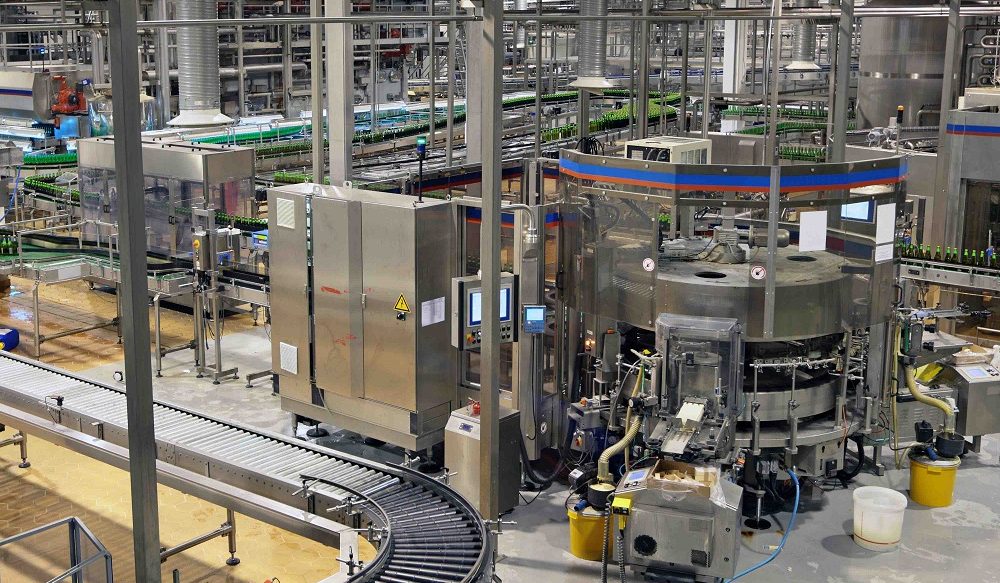
Unplanned equipment failures were disrupting production for a food and beverage company. Faced frequent downtime, rising costs, and growing safety concerns, threatening both production and profitability, they turned to us to help them gain back control.
We suggested Preventive Maintenance Optimization (PMO) exercise. This case study showcases how a targeted PMO exercise slashed operational risk by 75% across five critical assets, restoring reliability, improving production, and ensuring smoother operations.
Problem Statement: High Operational Risk
Prior to the implementation of the Preventive Maintenance Optimization (PMO) program, the existing maintenance framework presented significant operational risks.
These risks came from three primary issues:
- Undefined Failure Modes for Critical Components: The lack of clear failure mode definitions resulted in unpredictable failures and unplanned downtime, elevating operational risks.
- Inability to Inspect Key Failure Modes: Equipment was never stopped, preventing thorough inspections of critical failure mechanisms.
- Non-Value-Added Maintenance: Excessive time was allocated to maintenance tasks that did not contribute to reliability, not reducing failure risks.
To mitigate these risks, a structured and strategic approach to maintenance optimization was necessary.
1. How PMO Achieved a 75% Reduction in Operational Risk
The 75% reduction in operational risk was determined by assessing key failure indicators before and after the PMO implementation. By structuring maintenance efforts around risk-based prioritization, the company was able to significantly decrease the likelihood of unplanned failures.
The risk reduction was achieved through:
- Failure Mode Identification & Prevention: With 100% of failure modes clearly defined, unknown risks were minimized.
- Targeted Preventive Actions: High-risk failure modes were proactively addressed, reducing unexpected breakdowns.
- Optimized Maintenance Interventions: Eliminating non-value-added maintenance freed up resources for more effective reliability efforts.
By aligning maintenance activities with actual failure risks, the company successfully reduced operational disruptions and improved overall equipment reliability.
2. Risk-Based Failure Mode Categorization
To ensure a systematic approach to risk reduction, failure modes were categorized based on severity:
- Minimal Impact – Short disruptions (<1 hour).
- Moderate Impact – Mid-length stoppages (1-3 hours).
- Major Impact – Extended downtime (>3 hours) or serious risks such as safety hazards or product quality issues.
By the end of the PMO implementation:
- 100% of components had clearly defined failure modes, reducing uncertainty.
- 59% of failure modes were mitigated with targeted preventive maintenance actions, lowering the probability of unexpected failures.
- 41% of failure modes were designated as run-to-failure due to their minimal impact and low risk, optimizing resource allocation.
Outcome – Blancher Discharge Conveyor
One of the most significant improvements was observed in the blancher discharge conveyor, where maintenance practices were optimized.
| Types of Task | Before PMO (Hours/year) | After PMO (Hours/year) |
|---|---|---|
| Condition Monitoring | 1.63 | |
| Objective Inspection | 2.96 | |
| Subjective Inspection | 3.53 | |
| Lubrication | 60.84 | 8.66 |
| OIl change | 0.50 | |
| Total | 60.84 | 17.28 |
Key Achievements:
- 72% reduction in total maintenance time, minimizing exposure to failure risks.
- Planned downtime was reduced to just 2.85 hours per year, ensuring higher equipment availability.
- Implementation of advanced monitoring techniques: Vibration analysis and Infrared thermal imaging.
Conclusion
The Preventive Maintenance Optimization (PMO) program proved to be a highly effective risk mitigation strategy, significantly reducing operational failures and enhancing reliability. By adopting a structured, data-driven approach, organizations can achieve substantial gains in efficiency and cost-effectiveness.
The PMO methodology is a scalable solution that can be applied across various industries, ensuring long-term operational resilience and excellence.

Raphael Tremblay,
Spartakus Technologies
[email protected]