
Tips and Tricks to Maximize Your IR Thermography Program
/
read
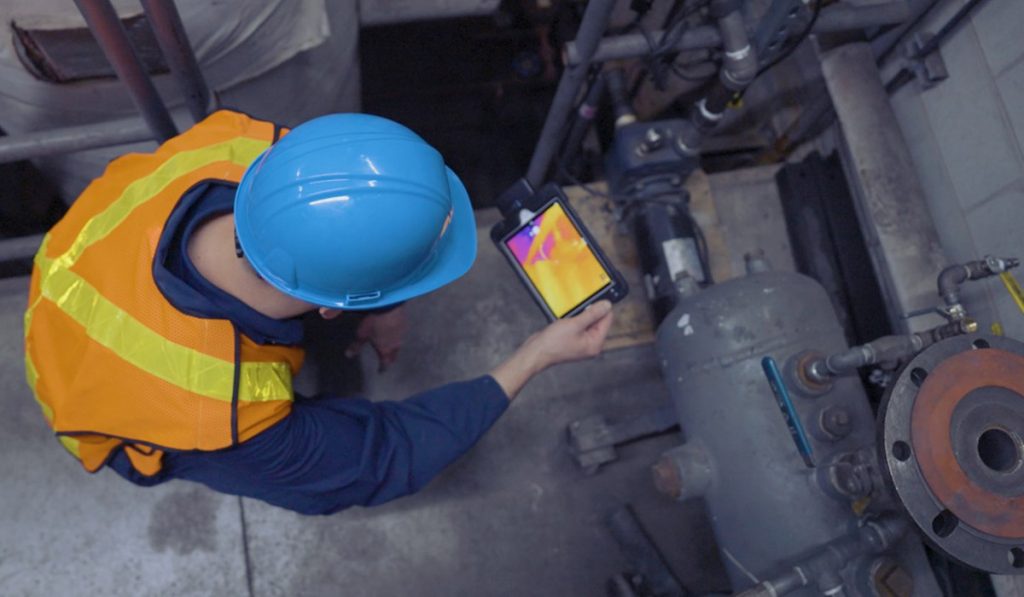
Implementing condition monitoring tools such as infrared cameras into your plant’s reliability program can yield impressive returns on investments (8 To 12% annual cost reduction through IR thermography). Infrared thermography (IRT) is a measurement and imaging technique that detects infrared radiation from the surface of objects, operating within specific portions of the infrared spectrum. Adopting these technologies can lead to early fault detection and reduce reactive maintenance practices, improving your bottom line. But are you obtaining the full payoff for your efforts or merely scratching the surface of what’s possible?
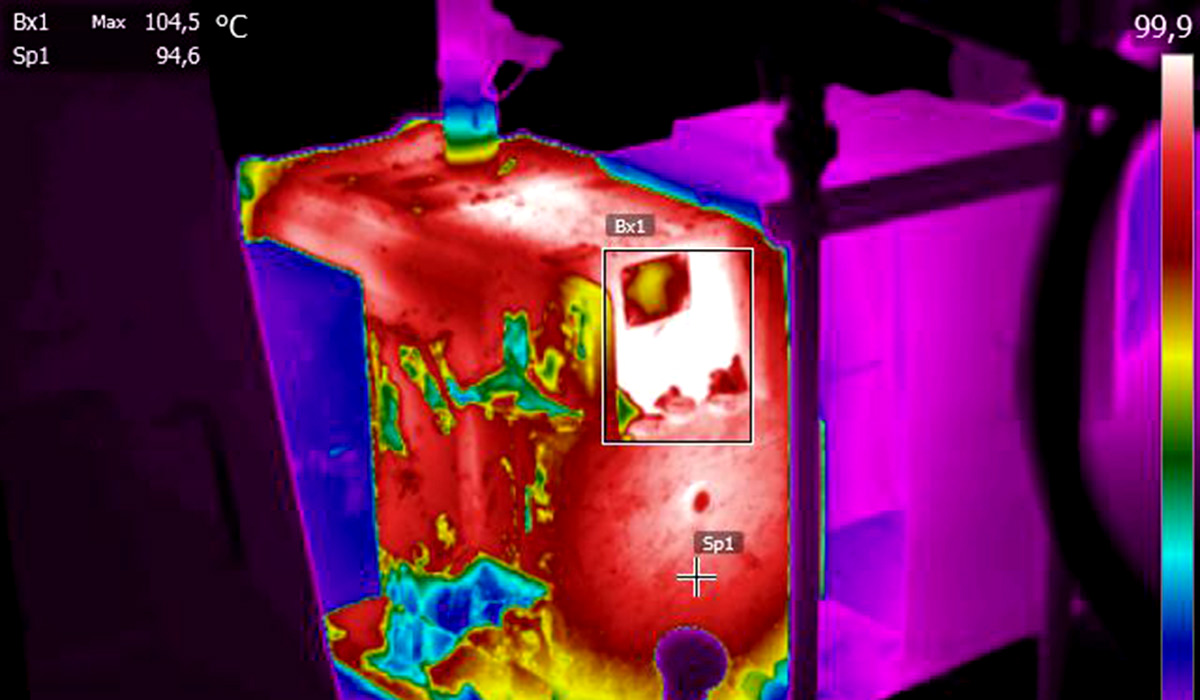
Thermography allows one to see variations in temperature, making warm objects stand out against cooler backgrounds. Thermal images, or thermograms, are visual displays of the total infrared energy emitted, transmitted, and reflected by an object. The amount of infrared radiation (thermal radiation) emitted by an object increases with temperature, which is the basis for visualizing temperature differences and apparent surface temperature using thermal imaging cameras. Thermography can be classified into passive and active types, with passive thermography relying on naturally emitted thermal energy and active thermography requiring an external heat source. It is a non-destructive testing method that can detect defects and faults in materials without causing damage. Thermal imaging cameras convert infrared energy into a visible light display, allowing for the visualization of thermal patterns and surface temperature distributions. Infrared thermography is widely used in various fields, including medical diagnostics (monitoring physiological changes), industrial maintenance, predictive maintenance, condition monitoring, and security applications. Thermal imaging can identify overheating components, insulation failures, and other issues that may not be visible to the naked eye.
This article will explain the often-overlooked tips and tricks of IR thermography that will separate your reliability program from the competition. Let’s get into it!

Introduction to IR Thermography
Infrared (IR) thermography is a powerful, non-invasive technique that leverages thermal imaging cameras to visualize and measure the infrared radiation naturally emitted by all objects. Unlike visible light, infrared radiation reveals temperature differences and abnormal heat patterns that are invisible to the naked eye. By capturing this thermal infrared energy, infrared cameras allow professionals to detect abnormal heat patterns and subtle temperature differences in equipment, structures, and systems.
Thermal imaging is a cornerstone of modern condition monitoring and building diagnostics. With the ability to quickly scan and assess large areas, thermal imaging cameras help identify issues such as overheating components, insulation failures, and energy losses before they escalate into costly problems. By integrating infrared IR technology into your reliability program, you can proactively detect faults, improve safety, and enhance operational efficiency across a wide range of applications.

1) Training & Procedures for Infrared Thermal Imaging
Conducting a reliability program without adequately trained staff is virtually impossible, and thermography is no exception. Thermographic inspection, as a formal process within a reliability program, is essential for nondestructive testing and condition monitoring of industrial equipment. Proper training proliferates through all the tips on this list; without it, even the best-intentioned programs will surely fail. Ensure all personnel who operate an IR Camera have gone through approved training programs. These training programs can come directly from the equipment manufacturer or through third-party companies. These training sessions will teach technicians how to use the equipment properly, troubleshoot problems and go over all aspects of this article in more detail.
However, classroom training can only take you so far. Proper site-specific training ensures technicians follow and fully understand detailed procedures when collecting readings. These procedures should outline all data that must be collected during the measurement; examples include but are not limited to ambient temperature, machine operating conditions, presence of wind, camera settings, lens type and more.
Thermography is used in various applications, including monitoring temperature in electrical distribution systems and inspecting rotating equipment. Qualitative inspections in infrared thermography focus on differences in temperature rather than actual temperatures, and establishing severity criteria is important for identifying temperature levels and potential mechanical abnormalities.

Figure 1: The effect of using highly emissive tape on shiny metallic surfaces1
2) Emissivity in Infrared Thermography
Understanding emissivity is essential to conducting a proper thermography program.
There are multiple ways to ensure emissivity issues impact your measurements as little as possible. Simple solutions such as shielding your measuring point with your body or clipboard can help in specific situations but are not always the most reliable methods. Another practice is to place a thin, highly emissive layer over your measuring point, typically a specialized tape or paint with a known emissivity value.
This increases emissivity while also ensuring the measurement is taken at the same point every time. Most devices have settings allowing users to account for different emissivity levels. Using a thin layer of tape can allow you to obtain a true temperature reading and then adjust the emissivity until the rest of the body reads the same as the original tape measurement. The operator can then note the material’s emissivity and eliminate the need for adding an emissive layer.
Above all, follow the specifications from the manufacturer or your measuring device

Figure 2: example of asset health management with Spartakus APM
3) Proper Data Management of Infrared Data
AA common pitfall of even the best-intentioned reliability programs is inadequate or non-existent data management. Piles of handwritten notes and personally owned Excel sheets lead to low-quality and unmanageable data. Fortunately, one of the key aspects of Industry 4.0 is leveraging tools, such as computerized maintenance management systems (CMMS), to maximize the usability of the data you work so hard to collect.
With proper implementation, CMMS can handle all the heavy lifting of data management. These systems can be tailored to pull data from collection devices into premade templates automatically linked to individual assets. This software can auto-generate visual tools such as graphs, allowing maintenance personnel to see the big picture and analyze trends over time, all while having confidence in the quality of the data being used.

Figure 3: IR Camera Calibration Setup2
4) Thermal Imaging Cameras: Maintenance and Calibration
Yes, even maintenance equipment requires maintenance. Ensuring your IR Camera is operating at its optimal capacity will keep your thermography program running smoothly year after year! It is essential to know the manufacturer’s recommended calibration period for your specific device, but a good rule of thumb is to calibrate your camera professionally every year. While some subscribe to the do-it-yourself calibration methodology, it is best to follow the manufacturer’s specifications, which typically involve sending the device back to the manufacturer to perform a certified calibration under controlled conditions.
Proper CMMS can be a valuable tool in ensuring routine camera calibration doesn’t hinder regular maintenance activities. Having programmed reminders notifying you of when condition monitoring equipment will be out of service can give you enough time to secure a replacement device or find other solutions to prevent missed measurements from creating gaps in your data.
Infrared Thermal Imaging Applications
Infrared thermal imaging has become an indispensable tool across a wide range of industries. In electrical and mechanical systems, thermal imaging cameras are used to detect abnormal heat patterns, temperature differences, and potential failures in components such as electrical panels, motors, and bearings. This early detection capability helps prevent unplanned downtime and supports effective condition monitoring.
In building diagnostics, infrared thermography is invaluable for identifying heat loss, air leaks, and wet insulation, enabling targeted repairs that improve energy efficiency and occupant comfort. Beyond industrial and building applications, thermal imaging cameras play a vital role in medical imaging, scientific research, and preventive maintenance, where detecting temperature variations and thermal anomalies can lead to breakthroughs in safety, efficiency, and innovation. By leveraging the full potential of infrared thermal imaging, professionals can enhance reliability, reduce costs, and drive continuous improvement in their operations.
Conclusion
Knowing these crucial tricks is a surefire way to get your IR thermography program off to a great start and ensure the data you collect accurately represents what’s happening at your plant!

Matthew Ford
Reliability specialist – Laurentide Controls
[email protected]
References
- Teledyne FLIR (2021, November 1). How Does Emissivity Affect Thermal Imaging? FLIR. Retrieved December 11, 2023, from https://www.flir.com/discover/professional-tools/how-does-emissivity-affect-thermal-imaging/ ↩︎
- Teledyne FLIR (2023, September 12). How Do You Calibrate a Thermal Imaging Camera? FLIR. Retrieved December 11, 2023, from https://www.flir.ca/discover/professional-tools/how-do-you-calibrate-a-thermal-imaging-camera/ ↩︎