
What is a Non-Intrusive Inspection in Maintenance? The Complete Guide
/
read
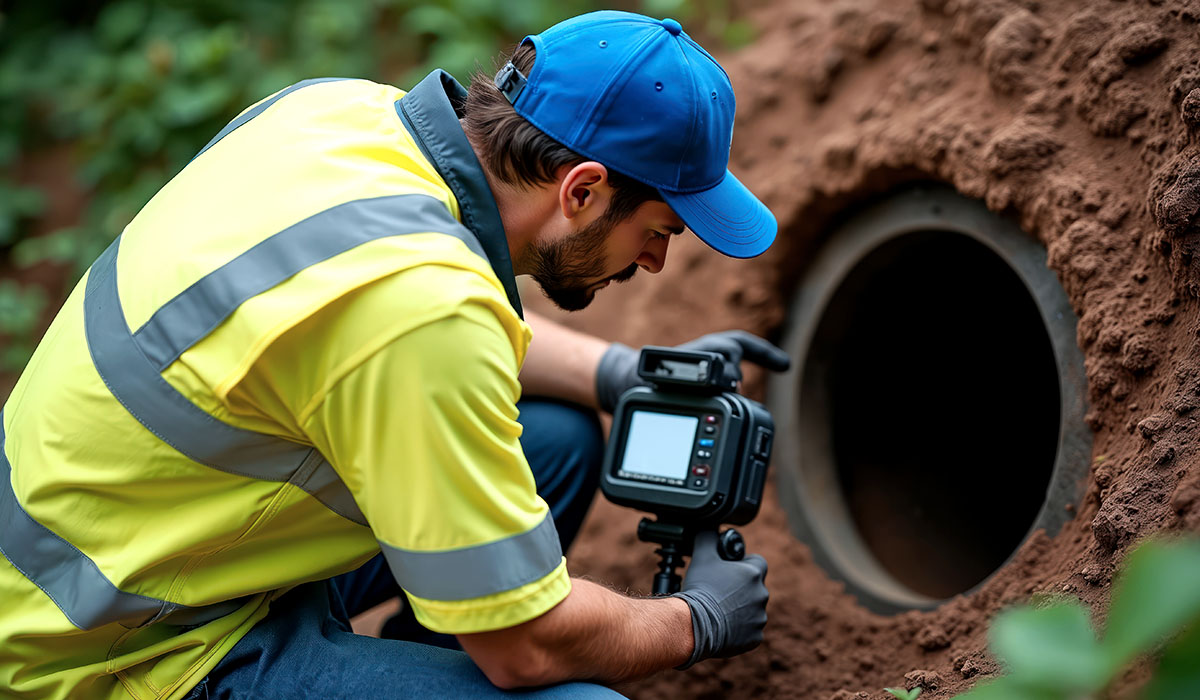
Non-Intrusive Inspection (NII) refers to a set of maintenance techniques used to evaluate the condition, performance, or integrity of equipment without the need to stop operations, open, or disassemble the machinery.
The primary objective of NII is to detect potential faults, wear, or deviations from standard operating conditions while minimizing disruption to production processes. By relying on external measurements, sensor readings, and advanced monitoring technologies, NII allows maintenance teams to assess equipment health in real time or through scheduled inspections, reducing the risk of unexpected failures and costly downtime.
What is a Non-Intrusive Inspection (NII)

Non-Intrusive Inspection is widely adopted in industries where equipment downtime can lead to significant operational and financial losses. This includes manufacturing plants, food and beverage processing facilities, mining operations, oil and gas production, and chemical processing plants, industries that run 24/7.
In these environments, stopping production to inspect or disassemble equipment can have severe consequences, not only in terms of lost output but also in potential safety hazards and compliance issues. By implementing NII strategies, organizations can maintain continuous operations, extend equipment life, and make data-driven decisions regarding maintenance planning and asset management.
Understanding Non-Intrusive Inspection (NII)
What Makes an Inspection “Non-Intrusive”
A Non-Intrusive Inspection is characterized primarily by its ability to evaluate equipment without physically opening, disassembling, or interrupting the operation of the asset.
One of the defining features of NII is its in-service applicability, meaning inspections can be performed while the equipment is actively running or even under pressure. This approach allows maintenance teams to monitor asset conditions continuously or at scheduled intervals without halting production, reducing operational disruptions and preserving workflow efficiency.
By using sensors, remote monitoring tools, and external diagnostic technologies, NII can provide valuable insights into equipment health without compromising operational integrity or safety.
Differences Between Intrusive vs. Non-Intrusive Inspections
While both intrusive and non-intrusive inspections aim to ensure equipment reliability and safety, there are several key operational differences between the two approaches.
Intrusive inspections typically require full shutdowns, disassembly, or partial dismantling of the equipment. This process carries higher safety risks, requires significant time and labor, and incurs additional costs related to downtime and reassembly.
In contrast, non-intrusive inspections minimize these operational impacts by allowing assessments to be made externally or while the equipment remains in service.
Despite the advantages of NII, intrusive inspections are still necessary in certain scenarios. Regulatory standards, safety requirements, or critical asset considerations may demand a physical inspection to verify integrity or compliance. The expected severity of asset degradation can also influence the decision; if significant deterioration is anticipated, intrusive methods may be prioritized to ensure a thorough assessment.
Additionally, some assets may not have applicable NII techniques or the cost-benefit of using NII may be insufficient, particularly when condition monitoring is not implemented. In these cases, intrusive inspections ensure that the equipment’s condition is fully verified, and critical risks are mitigated before returning the asset to full operation.
Benefits of Non-Intrusive Inspection
Safety
One of the primary advantages of Non-Intrusive Inspection (NII) is the significant improvement in safety for maintenance personnel. By eliminating the need for equipment shutdowns or disassembly, NII reduces the requirement for confined space entry, which is traditionally associated with high risk. Inspectors and technicians face lower exposure to hazardous conditions, including extreme temperatures, pressurized systems, or dangerous heights.
Additionally, NII minimizes contact with hazardous substances. Because equipment does not need to be cleaned, depressurized, or physically opened, there is a reduced risk of contamination both to personnel and to the product or process. This also lowers the chances of accidental contamination or damage during maintenance or reassembly, which can occur during conventional intrusive inspections.
Beyond general operational safety, NII is particularly valuable for equipment that is inherently dangerous, such as systems involving extreme heights, sterilization processes, or toxic substances, or pressure vessels.
Cost-Effectiveness
Non-Intrusive Inspection also offers clear financial benefits. By avoiding shutdowns or partial outages, organizations can maintain continuous production, directly preserving uptime and output. In addition, NII reduces inspection and reassembly costs, as there is no need for gaskets, specialized opening tools, or extensive revalidation work after disassembly. The reduced handling also minimizes the risk of damage caused by human intervention, which can occur during conventional inspections.
The approach further mitigates contamination and human error, as opening or stopping equipment can inadvertently introduce foreign material, compromise sterile processes, or cause mechanical damage.
Data Quality and Repeatability
Another key benefit of NII is the ability to capture digital data. Measurements and readings can be stored, analyzed, and compared over time, enabling consistent trending, historical analysis, and predictive maintenance strategies. This repeatable and traceable data enhances decision-making and provides a reliable record of equipment condition for audits or regulatory compliance.
NII Technologies and Techniques
Non-Intrusive Inspection (NII) leverages a variety of advanced technologies and techniques to monitor equipment condition without requiring shutdowns or disassembly. NII often incorporates ndt (non-destructive testing) methods to assess equipment condition without causing damage. These methods enable maintenance teams to detect early signs of wear, misalignment, leaks, or other issues that could impact reliability and safety.
Core Condition Monitoring Methods Used in NII
NII relies on established condition monitoring techniques that can be applied externally or remotely. These methods provide quantitative and qualitative data on asset health and are essential for predictive maintenance programs. Importantly, these techniques can be implemented in large scale inspection programs across multiple assets or facilities.


By integrating these technologies, organizations can achieve a comprehensive, non-intrusive inspection program, combining multiple methods to cover mechanical, electrical, thermal, and lubrication aspects of equipment condition.
Limitations and Challenges of Non-Intrusive Inspection
Technical Limitations
While Non-Intrusive Inspection (NII) offers significant advantages, it has inherent technical limitations. In some cases, NII cannot provide complete coverage of an asset’s condition.
Certain internal faults or hidden defects may remain undetected if they are inaccessible to external sensors or monitoring tools. Consequently, NII may need to be complemented by occasional intrusive inspections to ensure full verification of critical equipment.
Misinterpretation Risks and Data Volume
NII generates a large volume of data, including vibration readings, thermal images, oil analysis results, and ultrasonic measurements. The sheer quantity of information can be overwhelming, and proper interpretation requires expert knowledge. Without experienced analysis, there is a risk of false positives, false negatives, or misdiagnosis, which can lead to inappropriate maintenance decisions or overlooked failures.
High Initial Investment in Tools and Training
Implementing an effective NII program often involves substantial upfront costs for specialized tools, sensors, and training of personnel. While the return on investment (ROI) builds over time through reduced shutdowns, extended equipment life, and avoidance of unplanned downtime, the initial financial and organizational commitment can be a barrier for some organizations.
Application-Specific Challenges
Certain industries present unique difficulties for NII implementation. For example, pharmaceutical production often involves frequent start-stop operations, making it challenging to capture meaningful data and identify potential faults. Similarly, in aluminum smelting and processing plants, complex process dynamics and harsh operating conditions can limit the effectiveness of non-intrusive methods.
Quality and Reliability of Information
Although NII provides valuable data, it is important to recognize that sensor readings and automated measurements are not infallible. A miscalibrated sensor, equipment malfunction, or environmental interference can compromise data accuracy. Blind reliance on automated measurements without human logic, verification, and contextual understanding may lead to incorrect conclusions or missed issues. Maintaining a balance between technological data capture and expert judgment is critical for effective NII programs.
Conclusion
Non-Intrusive Inspection (NII) has become an essential approach for modern maintenance and reliability programs, offering a way to evaluate equipment condition without interrupting operations or disassembling assets. By leveraging advanced monitoring technologies such as vibration analysis, infrared thermography, ultrasonic testing, and drone-assisted inspections, organizations can detect early signs of wear, misalignment, or other faults while minimizing downtime and operational disruption.
The benefits of NII are clear: enhanced safety for personnel, reduced exposure to hazardous conditions, cost savings from minimized shutdowns, and improved data quality through repeatable, digital measurements. These advantages make NII particularly valuable in industries where downtime is expensive or equipment operates under challenging conditions, including manufacturing, food and beverage processing, mining, and chemical production.
However, NII is not without limitations. Certain technical constraints, data interpretation challenges, high initial investment, and industry-specific complexities mean that intrusive inspections may still be required in some cases. Additionally, ensuring the accuracy and reliability of data requires careful calibration, expert analysis, and integration of human judgment alongside automated monitoring tools.
When implemented effectively, a Non-Intrusive Inspection program provides a balanced and strategic approach to maintenance, allowing organizations to maintain continuous operations, extend equipment life, and make data-driven decisions. NII represents a critical component of modern asset management, combining technology, expertise, and operational efficiency to optimize both safety and performance.

Raphael Tremblay,
Spartakus Technologies
[email protected]