
What is a Visual Inspection? The Complete Guide
/
read
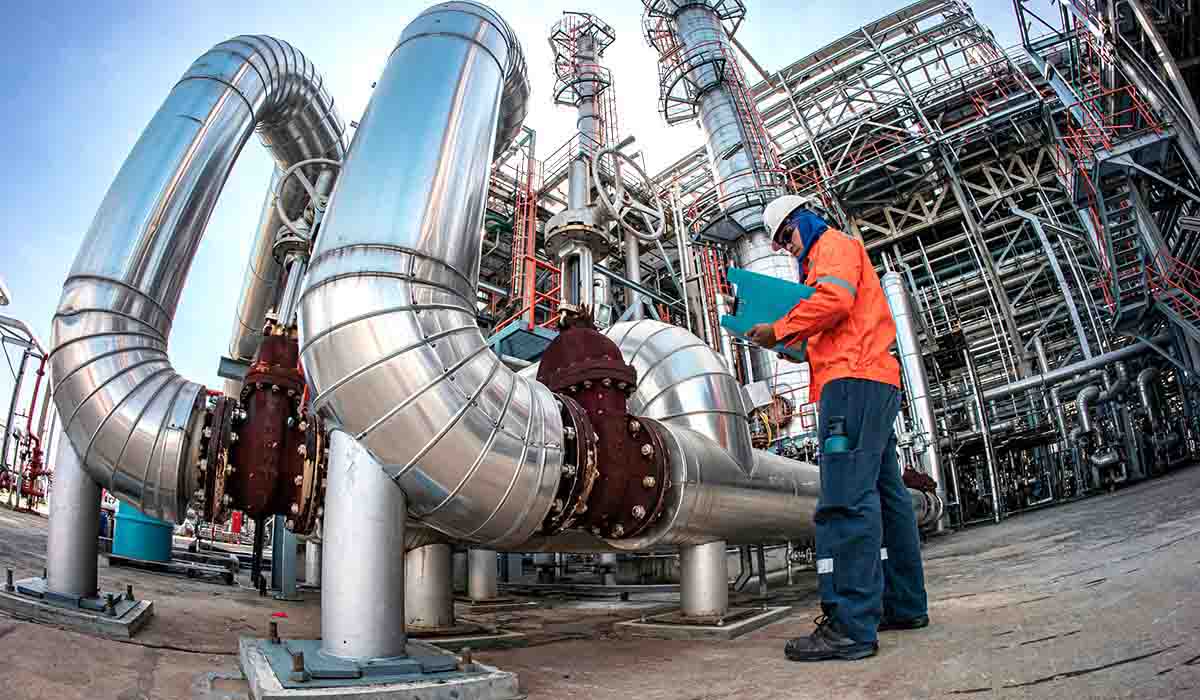
Visual inspection is one of the fundamental methods used in preventive maintenance to detect potential issues before they result in costly repairs or unscheduled downtime. It involves examining equipment, products, or materials with the naked eye or with the help of optical instruments such as magnifying glasses, borescopes, or video scopes.
In the context of non-destructive testing (NDT), visual inspection is a core NDT method that plays a crucial role in detecting surface flaws and discontinuities. Visual testing involves direct or aided observation to assess surface conditions and is often the first step in quality control processes.
Introduction to Visual Inspection
Visual inspection is a non-destructive testing (NDT), providing a straightforward yet powerful way to assess the condition of components across a wide range of industries. Whether in the oil and gas industry, power generation, the automotive industry, and much more, visual inspections are relied upon to detect surface defects and ensure the ongoing integrity of equipment.
The appeal of visual inspection lies in its simplicity and versatility. It can be performed quickly, often requiring minimal equipment, and is suitable for both routine maintenance and more detailed assessments of complex equipment.
What does a visual inspection involve

A visual inspection is, most of the time, a non-intrusive examination of industrial equipment to identify any signs of wear, corrosion, leaks, misalignment, or other physical abnormalities. The process is often performed by maintenance personnel or operator, who conduct visual inspections as a core activity in quality control and maintenance, and can also be assisted by modern technologies like tablets, drones, thermal cameras, and more.
Some inspections, however, can become intrusive. For instance, opening a gearbox to inspect its internal gears might require more than just a glance and may involve specialized tools like a borescope. These types of visual inspections provide more detailed insights into the health of equipment components.
Visual inspections can range from being highly subjective, based on human observation, to more objective assessments, where measurements and findings are recorded with precision.
At the end of the day, the goal is to minimize subjectivity as much as possible to avoid leaving room for interpretation. In both cases, the goal is to detect signs of potential failure before they lead to operational disruptions. Visual inspections are integrated into the overall maintenance process to maintain safety and functionality.
Where Visual Inspections Add the Most Value
Not all assets justify the same level of monitoring. Some equipment is highly critical and equipped with advanced condition monitoring systems, while others operate with little or no automated oversight. Visual inspections provide value across this entire spectrum.
Low-Criticality Assets Without Condition Monitoring
Most plants do not deploy vibration sensors, ultrasonic probes, or thermography on every piece of equipment. Low-criticality or auxiliary assets often run “under the radar.”
For these assets, visual inspections are one of the most practical and cost-effective ways to detect early warning signs. Basic tools are often sufficient for direct visual inspection (DVI) of these assets, enabling simple, immediate surface assessments without the need for sophisticated instruments.
High-Criticality Assets Equipped with Monitoring Systems
Even when advanced sensors are installed, visual inspections remain essential. Condition monitoring technologies detect specific parameters such as vibration, temperature, or acoustic anomalies, but they cannot capture every failure mode. Human observation fills in the gaps by identifying contextual and surface-level issues that sensors may miss. Visual testing remains essential for detecting surface flaws that automated sensors may overlook.
In some challenging environments, such as those with radiation, extreme temperatures, or underwater conditions, specialized equipment may be required to perform accurate inspections.
Safety-Critical and Regulatory Assets
Certain equipment must undergo visual checks to comply with safety standards and regulations. Emergency systems, protective guards, or fire suppression equipment require regular physical verification that no sensor can replace.
The Benefits of Visual Inspection for Quality Control
Visual inspections enhance maintenance strategies by adding significant value, particularly for low-criticality assets that may not be covered by condition monitoring technologies.
While condition monitoring excels at tracking specific parameters like vibration, temperature, or acoustic anomalies, it is not deployed on all assets. In these cases, visual inspections provide an additional layer of insight, helping to detect early signs of potential issues and support proactive maintenance.
Even for assets equipped with condition monitoring, visual inspections can help detect certain failure modes earlier, offering a complementary approach that strengthens overall asset reliability. Documenting defects identified during visual inspections is essential, as it informs repair and maintenance decisions and ensures that all issues are addressed systematically.
What Visual Inspections Can Identify That Sensors May Miss: Detecting Surface Defects

- Minor Leaks That Do Not Trigger Alarms: Small oil or coolant leaks often go unnoticed by automated systems until they reach a critical threshold. A visual inspection can detect these leaks early.
- Obscure Defects: Subtle or hidden flaws, such as those caused by surface contaminants, poor lighting, or complex geometries, may be missed without thorough inspection. Visual checks help identify these obscure defects that automated systems might overlook.
- Early Corrosion or Unusual Wear Patterns: Corrosion and rust may begin subtly, with discoloration or minor pitting.
- Foreign Objects: Visual inspections can detect unwanted items or contaminants, known as foreign objects, that may pose safety risks or violate quality standards, especially in industries like food and beverage.
- Misalignment and Loose Components: Slight misalignment or loose bolts may not immediately affect performance but could lead to serious mechanical failures if left unchecked.
Challenges & Best practices
While visual inspections are a powerful tool, they come with their own set of challenges. However, by following best practices, maintenance teams can mitigate these challenges and improve the effectiveness of their inspections.
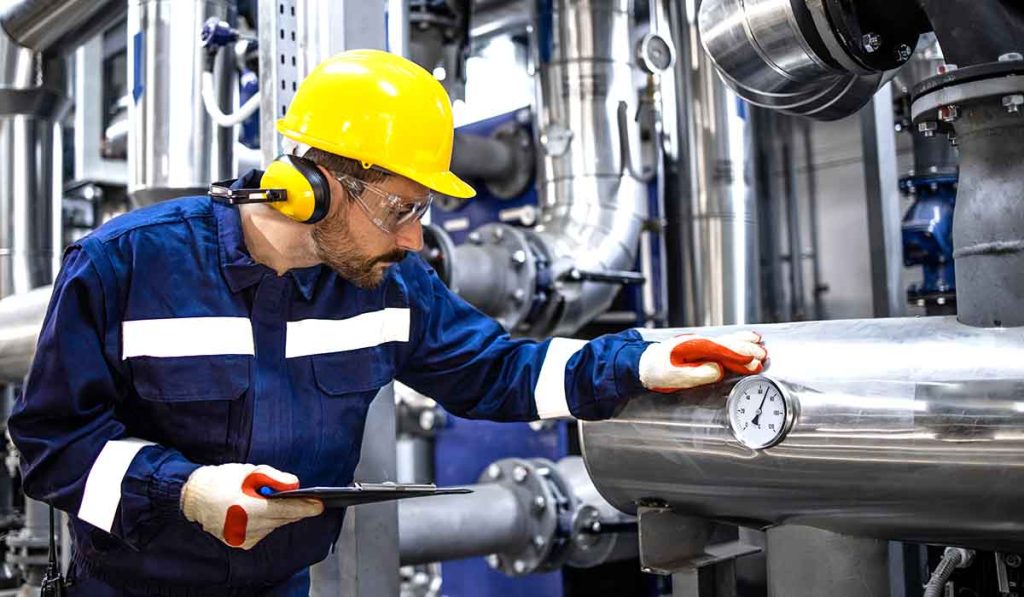
Challenges
- Human error & subjectivity: Inspections that rely on human observation can be prone to mistakes, as individuals may overlook or misinterpret signs of damage.
- Inconsistencies in reporting: Without standardized procedures, different inspectors might report findings in different ways, making it difficult to track trends or compare data across inspections.
- Limited visibility: Some equipment parts may be difficult to access, making it hard to conduct a thorough visual inspection.
Best Practices
- Standardized checklists: A checklist of common failure modes and visual indicators can help reduce subjectivity and ensure that no important signs are overlooked.
- Leveraging technology: Using tools like thermal cameras, drones or stroboscope can increase the accuracy of inspections, reduce human error, and allow inspectors to reach places that might otherwise be inaccessible.
- Develop a Maintenance Strategy Based on Failure Modes: Tailor your maintenance strategy by identifying the failure modes specific to each piece of equipment. Utilize diverse technologies to cover potential failure points and ensure your assets remain reliable.
- Train Your Team: Ensure that all technicians and operators are trained on how to conduct thorough and effective inspections. A well-informed team is key to successful inspections.
- Document Findings: Maintain detailed records of inspection results. This documentation helps track trends, anticipate future issues, and make data-driven decisions for improved maintenance planning. By integrating Master Data Management and ISO 14224, companies can ensure they understand which inspection results is linked to which asset.
- Continuous Improvements: Additionally, incorporating RCA (Root Cause Analysis) and PMO (Preventive Maintenance Optimization) will help you understand your gaps, identify recurring issues and refines maintenance strategies for long-term reliability by continuously refining the maintenance process based on inspection findings.
Key Components of an Effective Visual Inspection
An effective visual inspection requires certain key components to ensure that it is thorough and accurate.
Inspection Criteria
What should maintenance personnel look for during a visual inspection?
Common signs include:
1. Cracks or Fractures

Cracks or fractures in piece of equipment components can indicate structural weakness, which, if left undetected, could lead to catastrophic failure. Common areas where cracks may form include welds, joints, or high-stress areas like pump casings, pipes, and tanks.
Cracks should be noted and assessed to determine their severity, and whether further investigation or repairs are needed.
- What to Look For: Small hairline cracks, large fractures, or signs of crack propagation.
- Why It Matters: Cracks can grow over time, leading to complete failure and unplanned downtime.
2. Leaks (Oil, Gas, or Coolant)

Leaks are a common issue in industrial settings and can be an indication of equipment failure, misalignment, or excessive wear. Leaks of oil, gas, or coolant can not only disrupt production line but also lead to hazardous situations, such as safety risks, contamination, or equipment damage.
- What to Look For: Drips, puddles, staining, or damp areas around seals, pipes, or connections.
- Why It Matters: Leaks reduce system efficiency, waste valuable resources, and, if left unaddressed, may cause critical failures or safety hazards.
3. Rust and Corrosion

Rust and corrosion are the natural results of metal reacting with moisture or chemicals over time. While some level of corrosion is inevitable, excessive rust can weaken the structural integrity of equipment, leading to failures or reduced lifespan.
- What to Look For: Red, brown, or white patches on metal surfaces, pitting, or flaking.
- Why It Matters: Corrosion can compromise the functionality of components and lead to leaks or breakages, especially in pressure vessels or pipes.
4. Loose or Worn Components

Loose or worn components, such as bolts, nuts, screws, or fittings, can cause misalignment, vibrations, and mechanical failures. A part that is improperly secured or excessively worn can also lead to more serious damage in surrounding equipment.
- What to Look For: Parts that seem unsteady, bolts or fasteners that are not tightly secured, worn threads, or damaged parts.
- Why It Matters: Loose components can lead to movement, vibrations, or shifting parts that can accelerate wear or cause additional damage.
5. Misalignment in Rotating or Moving Parts

Misalignment occurs when two or more components that are supposed to move in sync become out of position. This can lead to excessive wear, vibrations, and even catastrophic failures, particularly in motors, gearboxes, or rotating shafts.
- What to Look For: Irregular or uneven movement, abnormal vibrations, or signs that parts are no longer properly aligned.
- Why It Matters: Misalignment causes parts to rub against each other, leading to accelerated wear and eventual breakdown if not corrected promptly.
6. Unusual Wear Patterns on Belts or Gears

Belts and gears are crucial to the operation of many industrial machines, and their wear patterns can tell you a lot about the health of the equipment. Uneven or excessive wear may signal problems like misalignment, overloading, or lubrication issues.
- What to Look For: Excessive wear on teeth, uneven wear patterns, fraying, cracks, or stretching of belts.
- Why It Matters: Uneven wear can cause belts and gears to fail prematurely, resulting in downtime and the need for costly replacements.
It is important to document all defects identified during inspections, as this information guides decisions on repairs or further maintenance actions.
Tools used for Visual Inspection
Visually inspecting equipment can often be performed with the naked eye, but advanced tools are frequently used to enhance the accuracy and effectiveness of the process. In environments with limited access or hazardous conditions such as radiation, extreme temperatures, or underwater, specialized equipment may be required to perform accurate inspections.
Some commonly used tools include:
Basic tools such as a magnifying glass for direct visual inspection, enabling simple and immediate surface assessments
Tablet for collecting data directly in the field and entering it into your APM
Flashlights for better illumination
Magnifiers for inspecting small parts or cracks
Endoscopes for inspecting hard-to-reach areas inside machinery
Infrared cameras for detecting heat patterns
Strobe lights, which are useful for immobilizing moving parts like belts, allowing inspectors to detect issues more clearly
Drones for hard-to-reach space
Documentation & Reporting Software
Once a visual inspection is complete, it’s important to document the findings. Effective documentation is essential for tracking equipment health over time and ensuring follow-up actions are taken.
Many modern Asset Performance Management (APM) software allows inspectors to log their findings directly into the platform. This data can be cross-referenced with other maintenance data and used to schedule corrective actions.
Types of Visual Inspections, Including Remote Visual Inspection
There are two main types of visual inspections in industrial maintenance:
Routine Visual Inspections
These inspections are conducted regularly, often as part of an operator care program, highlighting the importance of regular inspections for effective asset management. They are usually simple checks to identify any immediate or obvious issues like loose parts or leaks.
Using maintenance checklists helps standardize routine visual inspections, ensuring consistency and thoroughness across all equipment.
Detailed Visual Inspections
Detailed inspections are performed by trained maintenance professionals and may involve advanced tools and techniques, including the use of specialized equipment for inspecting hard-to-reach or hazardous areas. These inspections are more thorough, often looking inside machinery or systems that are harder to access and often need equipment stoppage.
Standardizing the Visual Inspection Process
A standardized visual inspection process is essential for achieving reliable, repeatable, and accurate inspection results. Standardization ensures that every inspection is conducted according to established procedures, reducing variability and minimizing the risk of human error.
Human-Centric Insights: Understanding Context Beyond data
One of the key advantages of visual inspections is the human element. Data from sensors provides valuable metrics, but it cannot capture contextual information that might influence asset performance.
Human insight brings nuance to maintenance strategies by identifying environmental and operational factors. The human eye can detect subtle issues and foreign objects that automated systems may miss, ensuring product safety and quality during inspections.
Contextual Observations Beyond Sensor Data:
Visual inspections can reveal issues such as excessive dust, moisture, or debris accumulation, as well as foreign objects that may impact equipment performance. Regular inspections help identify these foreign objects or debris early, preventing potential problems and supporting effective maintenance planning.
Vibrations from nearby machinery might not register on a targeted sensor but could affect long-term reliability.
Components stored in inappropriate conditions (e.g., high humidity or improper stacking) can degrade before use.
By incorporating human observations, maintenance teams gain a fuller understanding of asset health, enabling more informed decisions.
The combination of data analytics and human insight results in more accurate fault diagnosis and optimized maintenance actions.
Compliance and Safety Assurance
Compliance with safety regulations is non-negotiable in industrial environments. Many safety checks cannot be automated and require physical verification. It is essential to follow safety guidelines during visual inspections to ensure safe and consistent practices, such as lockout/tagout (LOTO), and to prevent accidents and injuries.
Key Areas Where Visual Inspections Ensure Safety:
- Checks of Emergency Equipment: emergency stops, safety guards, and fire extinguishers need to be inspected regularly to ensure they are operational. Condition-based technology cannot fully replace the human verification required by most safety protocols.
- Verifying the Presence and Condition of Safety Signs: safety signs and hazard warnings must be visible and intact. Visual checks ensure they are not damaged, obscured, or missing.
- Inspection of Safety Guards and Interlocks: physical barriers protecting operators must be in place and secure.
Strengthening Preventive and PdM Strategies
Visual inspections play a critical role in enhancing both preventive and predictive maintenance program. Integrating visual inspections into the overall maintenance process ensures that potential issues are identified early, supporting ongoing safety and functionality. They provide an additional layer of insight that supports and validates sensor data while helping to adjust maintenance schedules based on real-world observations.
How Visual Inspections Complement Maintenance Strategies:
- Confirming Sensor Data Trends: Visual inspections can verify anomalies detected by condition monitoring tools.
- Adjusting Preventive Maintenance Schedules: Visual feedback helps identify whether components are degrading faster or slower than expected. This allows maintenance teams to fine-tune inspection frequencies and optimize resource allocation.
- Identifying Patterns for Root Cause Analysis: Cross-referencing visual inspection reports with predictive technology data helps identify recurring issues or patterns that may indicate a deeper root cause.
By integrating visual inspections with an APM (Asset Performance Management) platforms, organizations can track data trends, log inspection findings, and create automated work orders for follow-up actions. Visual inspections, as a fundamental form of nondestructive testing, complement other NDT methods to provide comprehensive asset management without causing harm to equipment.
Building a Reliability Culture and Knowledge Sharing
A culture of reliability thrives when every team member takes ownership of asset health. Visual inspections are not just about identifying faults, they foster a proactive mindset among operators and maintenance teams, it is the basics of an Operator Care program and helps in implementing sustainable change.
Encouraging Ownership and Proactive Maintenance:
- Empowering Operators: Encouraging operators to perform daily visual checks increases their awareness of equipment conditions.
- Bridging the Gap Between Field and Reliability Teams: Visual inspections create opportunities for real-time knowledge sharing.
- Promoting Continuous Improvement: By sharing inspection findings and best practices, teams can collaborate on ways to improve asset reliability and optimize maintenance processes.
A well-documented visual inspection program not only prevents equipment failure but also contributes to a broader culture of reliability.
Frequently Asked Quesitons (FAQ)
Can visual inspections detect all types of equipment failures?
Visual inspections are effective for identifying visible signs of wear, misalignment, or corrosion. However, they cannot detect hidden failures, such as internal component degradation, that may require more advanced diagnostic tools like vibration analysis or thermography. Combining visual inspections with other predictive maintenance techniques offers a more comprehensive understanding of equipment health.
Are visual inspections sufficient for ensuring equipment reliability?
While visual inspections are an important part of an asset management strategy, they should not be relied upon exclusively. They are most effective when combined with other predictive maintenance methods, such as vibration analysis, a lubrication program, or ultrasonic testing.
How often should visual inspections be conducted on industrial equipment?
The frequency of visual inspections depends on the criticality of the asset and its operating environment. High-criticality equipment often relies on condition monitoring technologies (e.g., vibration analysis, thermography) for continuous data, but visual inspections can still serve as a complementary check. For less critical assets without advanced monitoring, visual inspections may be performed daily, weekly or monthly.
What qualifications or training do technicians need to perform effective visual inspections?
Effective visual inspections require a blend of technical knowledge and hands-on experience. Technicians should understand:
- Common failure modes specific to the equipment.
- How to identify early signs of wear, corrosion, or misalignment.
- Safety and regulatory compliance requirements.
- Proper documentation techniques for reporting findings.
Ongoing training and standardized checklists help maintain consistency and accuracy.
How can companies ensure that visual inspection findings are properly documented and acted upon?
To ensure findings are not overlooked, companies should implement a structured process for documentation and follow-up:
- Use an APM software to log inspection results in real-time.
- Set predefined criteria for what constitutes a fault or abnormal condition.
- Assign responsibility for follow-up actions and track progress through work orders.
- Review inspection data regularly to identify trends or recurring issues.
- A well-organized system ensures that minor issues are addressed before they escalate.

Raphael Tremblay,
Spartakus Technologies
[email protected]