
Why You Should Report Condition Monitoring in Spartakus APM
/
read

Condition monitoring reporting plays a vital role in ensuring piece of equipment health by detecting potential failures. However, managing asset health monitoring data across multiple systems or with excel can be challenging and inefficient.
Spartakus APM provides a centralized platform for integrating, analyzing, and reporting condition monitoring data, making it easier for maintenance teams to optimize their strategies and take informed decisions.
In this article, we’ll show you why reporting condition monitoring in Spartakus is essential and how it can enhance maintenance operations.
Key Benefits of Reporting Condition Monitoring in Spartakus
Detect Failures Earlier
Condition monitoring data reporting within Spartakus APM allows for the early identification of potential failures by providing a high-level view of asset health, cross-referencing capabilities, and valuable insights within the APM system.
This enables you to move along the PF (Potential Failure) curve, giving you more time to take proactive actions and address issues.
Centralized and Accessible Data for All Stakeholders
Spartakus APM acts as a single source of truth for maintenance professionals, reliability engineers, and management. With historical and near real-time data stored in one place, teams can:
- Access critical information easily and quickly
- Improve collaboration between departments.
- Make data-driven maintenance decisions efficiently.
Automated Reporting and Notifications

Manual report generation is time-consuming and prone to errors. Spartakus streamlines the process with:
- Easy creation of PDF report with filtering capacity.
- Automated emailing to relevant stakeholder with filtered PDF report.
- Customizable dashboards for quick insights into asset health.
This automation reduces administrative workload, improves efficiency, and ensures that the right people receive the right information at the right time.
To learn more about automated email and reports, consult this article ; Introducing Automated Emailing of Asset Health Reports in Spartakus APM
Schedule Compliance

The Schedule Compliance maintenance module offers a clear view of planned versus completed maintenance activities. It enables maintenance teams to track adherence to their schedules, identify delays, and uncover trends that may impact asset reliability.
A strong focus on schedule compliance also supports better resource planning, optimizes labor utilization, and fosters a culture of accountability within maintenance teams.
Learn more about the importance of schedule compliance and how to improve it in our article: Improving Schedule Compliance with Spartakus APM V.6
KPI Dashboard

Spartakus APM provides a KPI dashboards designed to highlight underperforming assets, components, and systems. By continuously analyzing preventive maintenance and predictive maintenance data, the platform allows you to:
- Identify “bad actors”
- Rank assets and components based on failure rates, maintenance costs, and operational impact
- Prioritize improvements and replacements based on real performance data
Condition Monitoring Techniques in Spartakus
Spartakus APM integrate a range of condition monitoring techniques that help organizations optimize their maintenance strategies based on the specific needs of their assets.
1. Oil Analysis
Oil analysis is a critical technique for monitoring the condition of lubricants used in machinery. It helps detect contamination, wear particles, and oil degradation that can indicate potential failures before they happen. By regularly analyzing oil samples, companies can ensure their equipment is running smoothly and prevent costly breakdowns.
Although Spartakus APM is not an oil analysis software itself, it connects to your oil analysis laboratory, allowing you to centralize and visualize all your oil testing results within the platform. This integration ensures that critical lubricant condition data is easily accessible for maintenance and reliability teams.
Learn more about oil analysis in Spartakus
2. Vibration Analysis
Vibration analysis precisely targets early signs of mechanical issues by measuring changes in the vibration behavior of critical equipment. Specific anomalies like shaft misalignment, rotor imbalance, or bearing degradation are detected before they escalate into costly failures.
Working alongside your vibration monitoring tools and vibration analysis software, Spartakus APM provides easy access to the collected vibration data. By centralizing this information, Spartakus helps maintenance and reliability teams quickly visualize asset conditions and identify anomalies.
Find out how vibration analysis can help prevent costly repairs
3. Thermography
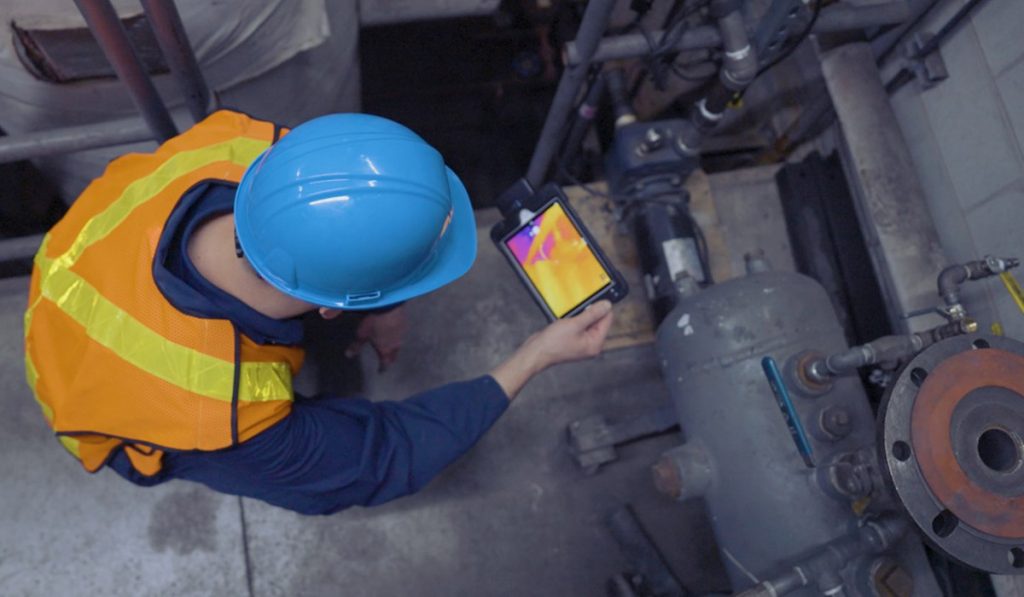
Thermography uses infrared imaging to detect thermal anomalies in equipment, helping to identify overheating components, electrical faults, or insulation failures. This non-invasive technique provides valuable insights into potential issues that may not be visible to the naked eye.
See how thermography can improve your preventive maintenance
4. Ultrasound
Ultrasound technology is used to detect leaks, electrical discharges, and mechanical issues by capturing high-frequency sound waves. This technique can pinpoint problems in air, steam, gas, and other systems, helping organizations prevent energy losses and improve equipment reliability.
Understand the value of ultrasound in early fault detection
Each of these techniques contributes to a comprehensive Condition-based maintenance (CBM) strategy, enabling organizations to tailor their maintenance approaches based on asset condition and performance.
Conclusion:
Reporting condition monitoring activities in Spartakus is crucial for organizations aiming to boost asset reliability, reduce cost of maintenance, and optimize maintenance process.
Thanks to these non-invasive monitoring technologies, maintenance teams can continuously oversee asset health while minimizing both planned and unplanned downtime nurturing a proactive maintenance strategy.
Spartakus APM centralizes all data, insights, and procedures in one platform, streamlining maintenance actions and improving decision-making.
By leveraging these capabilities, your team can effectively shift along the P/F curve, gaining valuable time to respond proactively when a potential failure is detected
Frequently Asked Questions (FAQ)
What are the risks of managing condition monitoring data without a centralized platform?
Using multiple systems or spreadsheets can result in inconsistent data, miscommunication, and difficulties in tracking asset health over time. This lack of integration makes it harder to identify patterns, detect failures early, and make informed decisions.
How does integrating multiple condition monitoring techniques into one system improve maintenance strategies?
Integrating various condition monitoring techniques, such as oil analysis, vibration analysis, thermography, and ultrasound, into one system like Spartakus APM allows maintenance teams to have a holistic view of equipment health. By centralizing these data points, teams can correlate findings from different techniques by cross-referencing data, detect issues faster, and optimize their maintenance strategy.
How often should condition monitoring data be reported to maximize asset reliability?
The frequency of condition monitoring data reporting mainly depends on the criticality of the asset and your organization’s specific needs. Additionally, if you’re using battery-powered remote sensors, transmitting data consumes battery life, and the shorter the reporting interval, the faster the battery will drain. Ultimately, it all comes down to your Asset Criticality Ranking (ACR) and risk mitigation strategy.

Raphael Tremblay,
Spartakus Technologies
[email protected]